Stump Grinding
Certified Arborist • Free Estimates • Tall Tree Specialists
970-872-TREE (8733)
Reclaim Usable Ground After Tree Removal
Stump Grinding in Delta and Montrose County for properties with leftover stumps creating hazards or blocking future landscaping
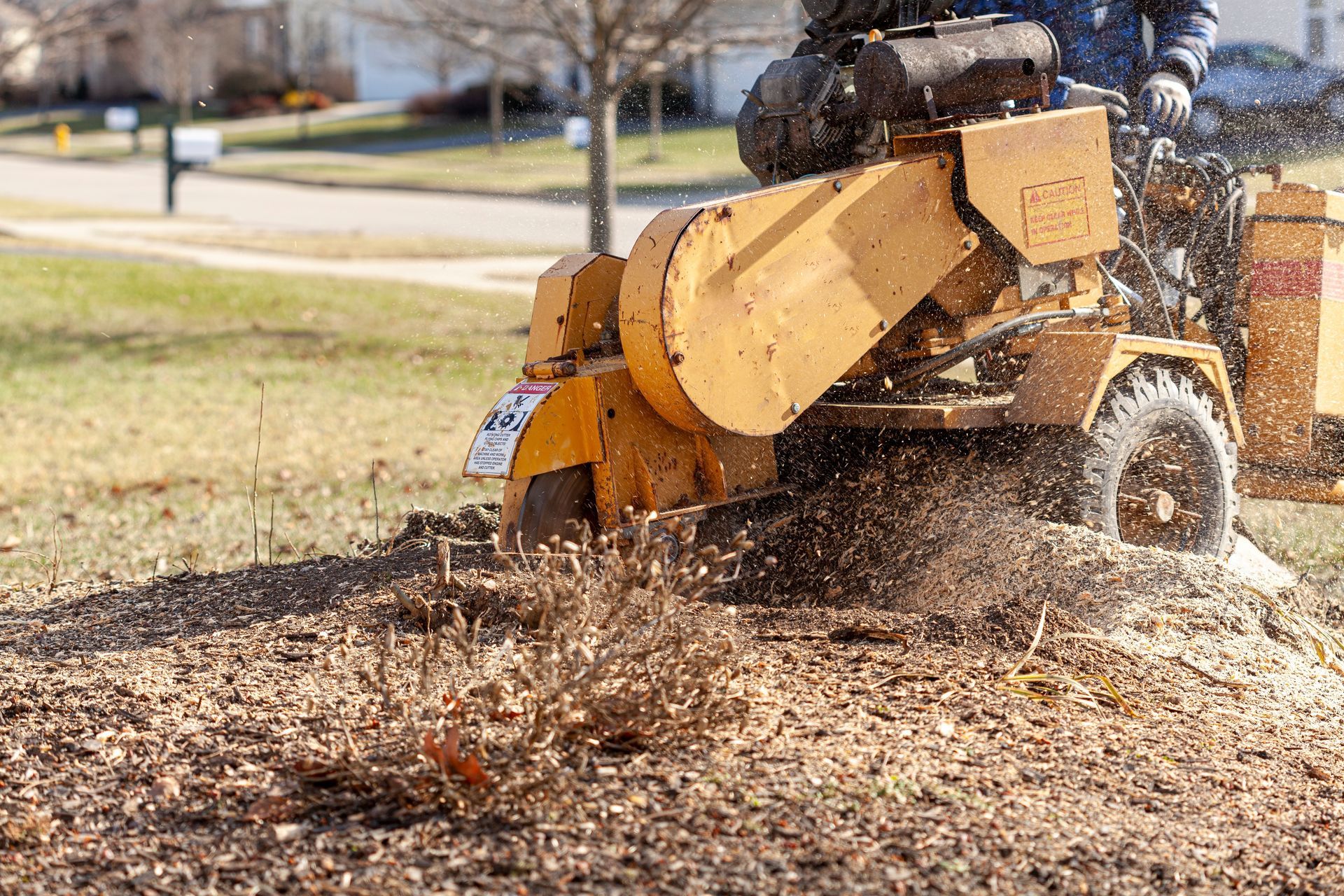
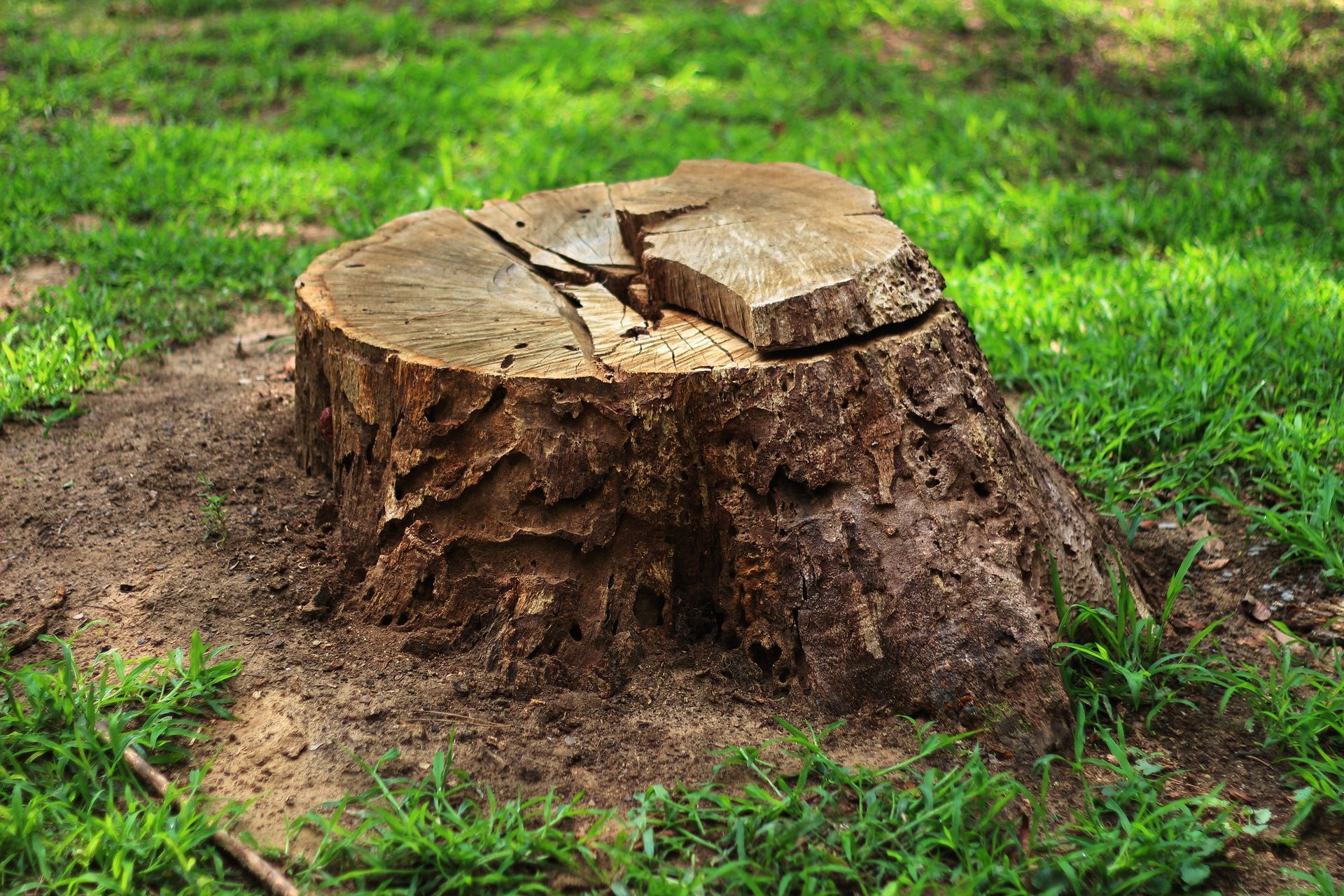
A leftover stump sits below mower height but still sends up shoots, harbors beetles, and occupies space you could use for planting or pathways. Rescue Tree Service Inc. handles stump grinding across Delta and Montrose County using professional-grade equipment that reduces stumps to wood chips several inches below the soil line. The process eliminates the visible obstruction and stops the root system from continuing to decay and attract pests that eventually move to healthy trees nearby.
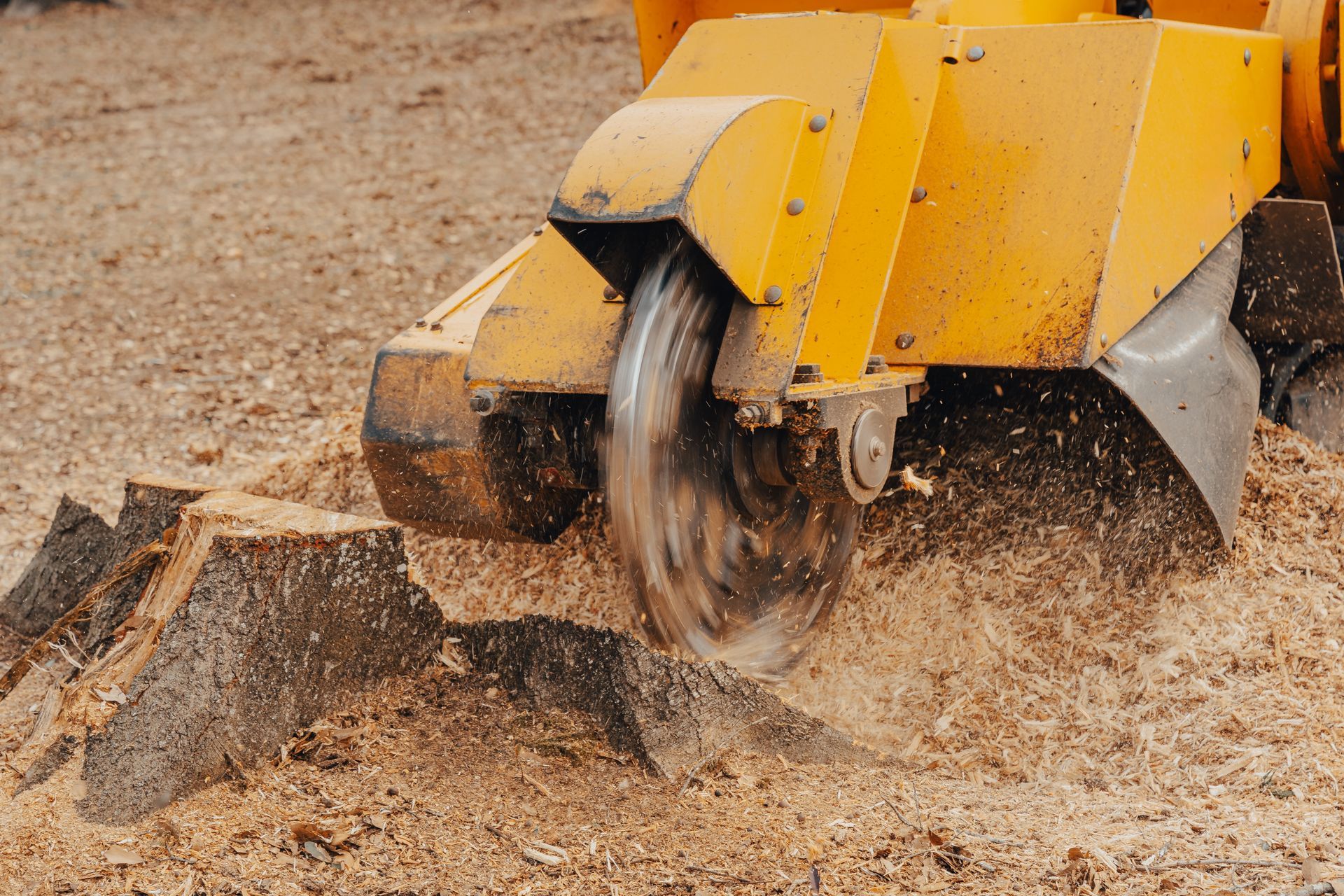
The grinder uses a rotating carbide-toothed wheel to chip away the stump in layers, working down until the remaining wood sits low enough that soil and grass can cover it. Stumps in tight spaces between fences or near foundations require smaller machines with articulated arms, while open-yard stumps move faster with larger track-mounted grinders that handle width and depth in fewer passes.
Request an on-site evaluation to determine grinder access and whether backfill or soil amendments will prepare the area for replanting.
What Happens to the Stump Material
Grinding converts the stump into wood chips that fill the resulting depression or get spread across surrounding beds as mulch. You'll notice the chips are coarse and mixed with soil particles pulled up during grinding. Some property owners leave the chips in place to decompose naturally, which takes one to two years depending on moisture and microbial activity in the soil.
After grinding, the area appears as a shallow bowl filled with fresh chips and loose dirt. If you're planting grass over the site, the chips need removal or mixing with additional topsoil, since wood chips temporarily tie up nitrogen as they break down and inhibit seed germination. For flower beds or shrub zones, the chips work as mulch once they settle and the dust layer washes away.
Grinding does not remove the entire root system—lateral roots remain underground and decompose over several years. Most roots left behind do not resprout, but species like elm, poplar, and willow sometimes send up suckers from remaining root tissue, which require trimming or herbicide application if they emerge.
What Property Owners Usually Ask
Stump grinding returns usable space quickly, but the details vary depending on stump size, location, and what you plan to do with the area afterward.
How deep does grinding go?
Most residential grinding reaches eight to twelve inches below ground level, which allows grass to root and mowers to pass without hitting remaining wood.
What if the stump sits against a fence or building?
Grinders with adjustable arms can work within inches of structures, though some hand trimming may remain necessary where the machine cannot reach without causing damage.
Why do some stumps cost more to grind than others?
Diameter, root flare, and wood hardness all affect grinding time—oak and locust stumps take longer to process than pine or cottonwood, and stumps wider than thirty inches require multiple passes.
Can you grind stumps in rocky or sloped areas of Delta and Montrose County?
Yes, though rocks dull the cutting teeth faster and steep slopes may require smaller equipment or manual stabilization to keep the grinder level during operation.
What prevents the stump from growing back?
Grinding removes the energy-storing wood tissue that supports regrowth, and most species do not resprout once the stump is ground below the soil line.
Rescue Tree Service Inc. provides clear pricing based on stump diameter and site access, with optional debris removal and backfill to prepare the area for immediate use. Schedule grinding service to complete your property clearing and eliminate tripping hazards left behind after tree removal.
