Brush Hogging
Certified Arborist • Free Estimates • Tall Tree Specialists
970-872-TREE (8733)
Clear Dense Growth on Large Properties
Brush Hogging in Delta and Montrose County for acreage with overgrown weeds, thick brush, and vegetation too dense for standard mowers
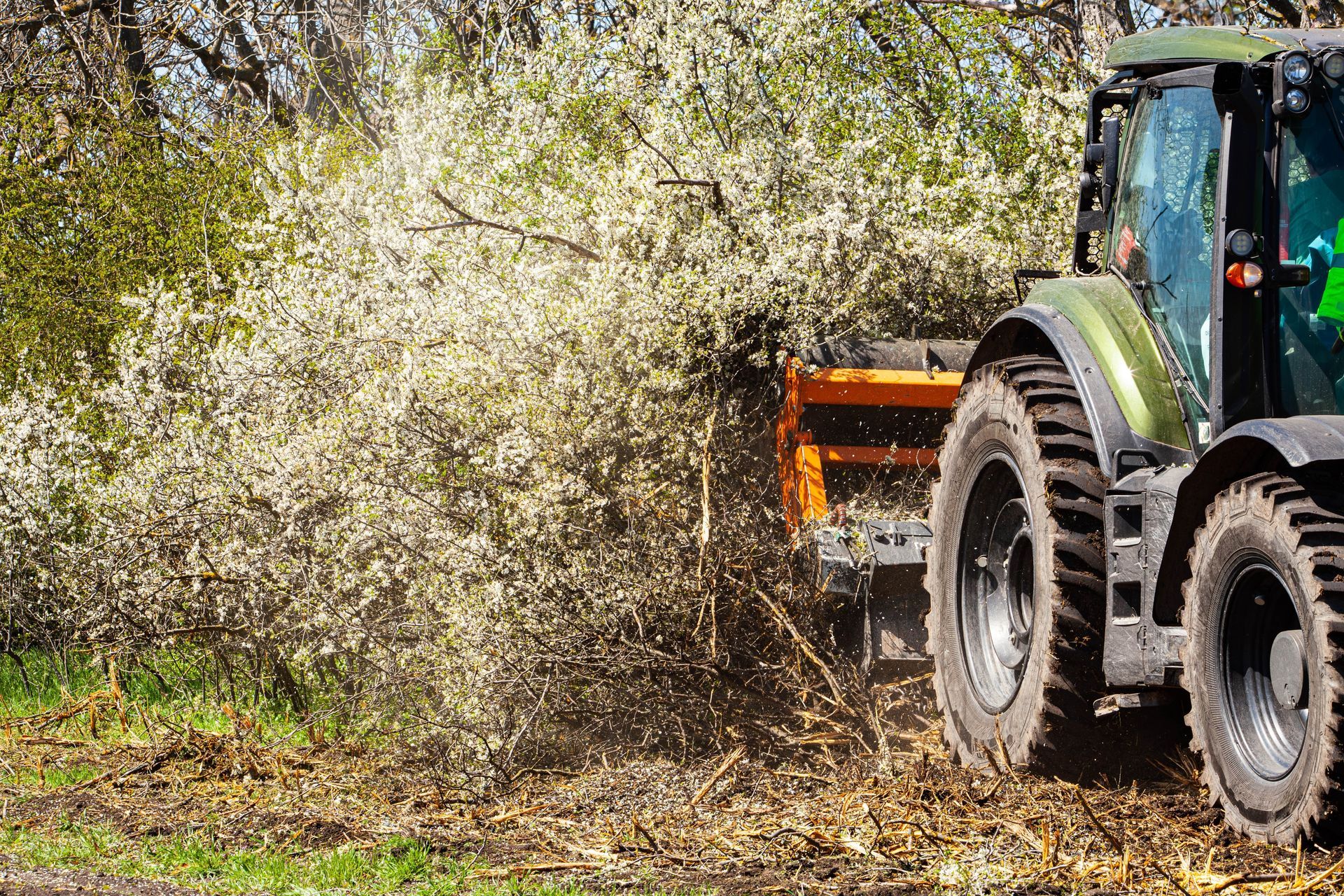
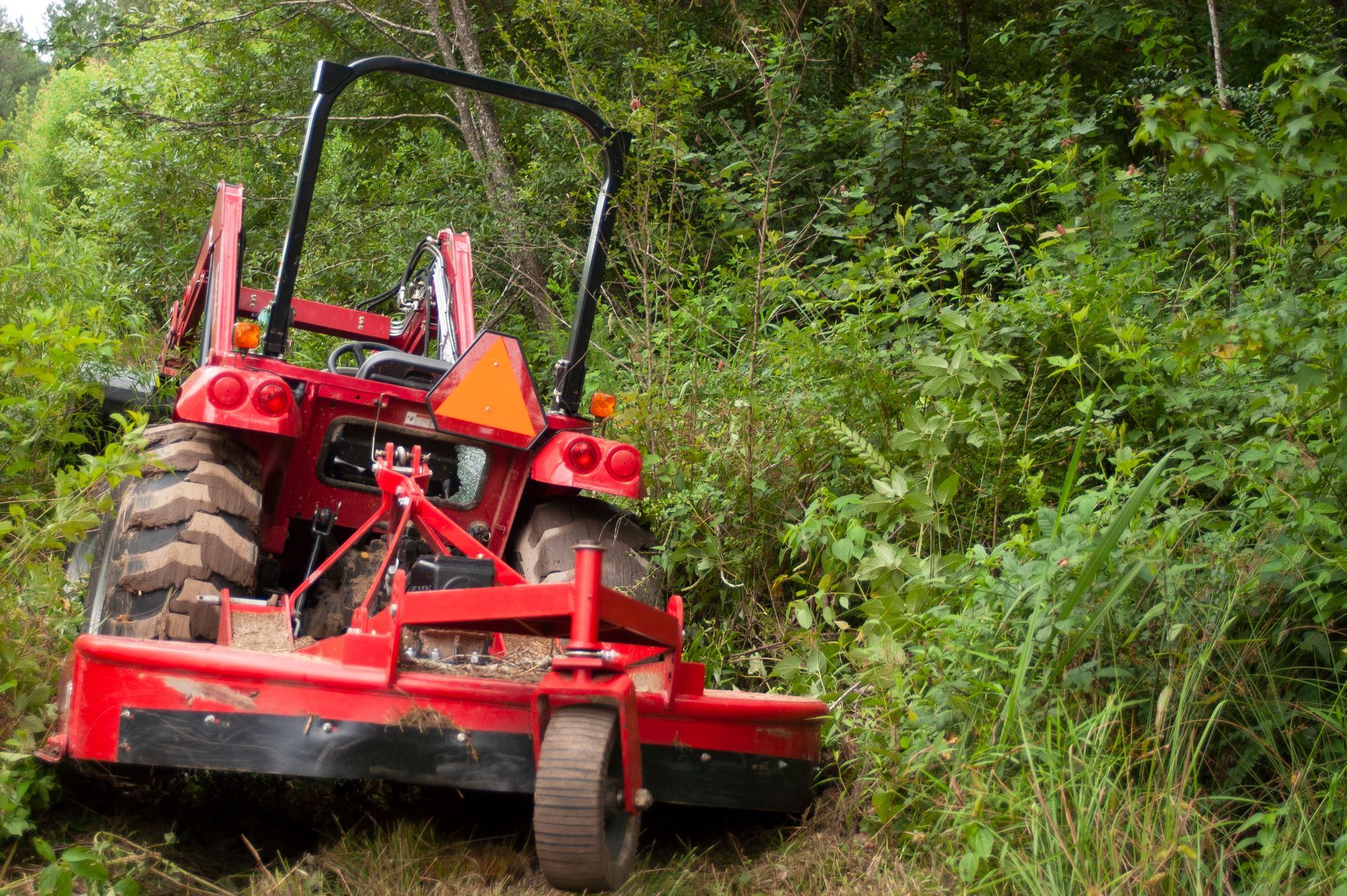
Thick brush and tall weeds take over vacant land, fence lines, and access paths faster than most property owners expect, especially in areas with irrigation runoff or seasonal moisture. A brush hog uses a heavy rotary cutter mounted on a tractor to slice through woody stems, dense grasses, and saplings up to several inches in diameter. Rescue Tree Service Inc. operates brush hogging equipment across Delta and Montrose County to restore usability to overgrown acreage, clear fire fuels, and prepare land for development or agricultural use.
The cutter deck spins thick blades that shred vegetation rather than making clean cuts, which allows the machine to power through material that would jam or damage a standard lawn mower. The process leaves cut stems and leaves on the ground, where they decompose or get raked and hauled depending on your plans for the cleared area.
Schedule a site review to evaluate access, terrain, and whether follow-up mowing or grading will maintain the cleared condition long-term.
What Brush Hogging Accomplishes
Hogging knocks down vegetation height and reduces biomass quickly across large areas, making the land easier to walk, assess, and manage. The service handles mixed growth that includes grasses, shrubs, blackberry canes, and volunteer trees, all of which regrow at different rates depending on root systems and seasonal moisture. Properties with perennial weeds like thistle or knapweed require repeated hogging or herbicide treatment to prevent immediate regrowth.
After hogging, the property appears flat and clear, though cut stems remain visible until they dry and break down. If you're preparing the area for construction or planting, you'll need additional grading or tilling to remove root mats and level the surface. For fire prevention, hogging reduces fuel height and density, which slows fire spread but does not eliminate ignition risk from dried cut material left in place.
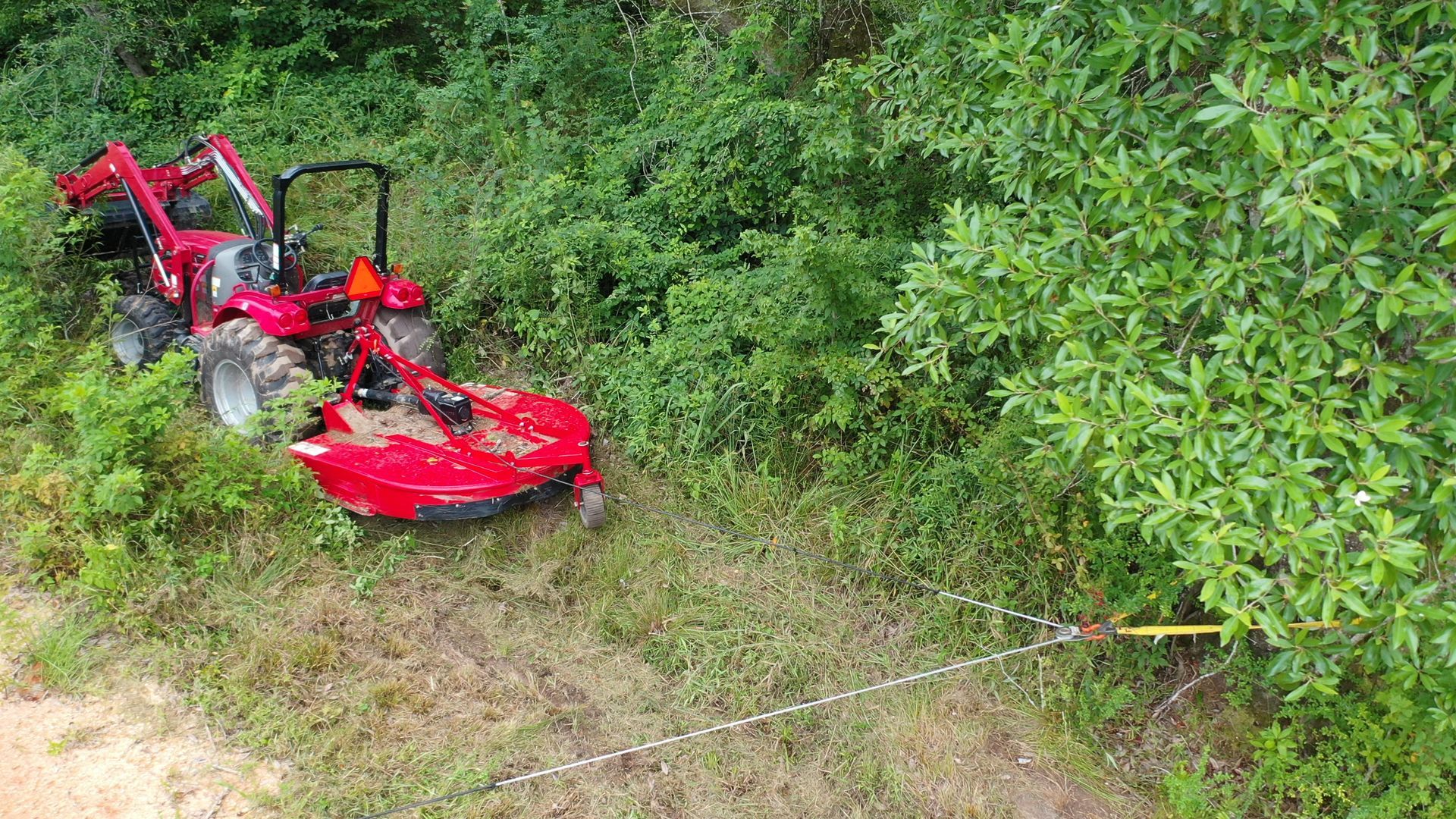
Hogging works best on relatively flat or gently sloped terrain—steep hillsides and rocky ground limit tractor access and increase the risk of equipment damage. Properties with irrigation ditches, buried utilities, or hidden debris require slower passes and careful navigation to avoid costly repairs.
Answers to Frequent Service Questions
Brush hogging restores large overgrown areas quickly, but the approach and results depend on vegetation type and land conditions.
How tall can the vegetation be before hogging?
Most brush hogs handle growth up to six or eight feet tall, though very dense stands may require multiple passes or pre-cutting of larger woody stems.
What happens to the cut material?
The hog leaves shredded vegetation on the ground—property owners can let it decompose in place, rake and burn it where permitted, or arrange removal if the debris interferes with future use.
Can hogging damage underground utilities or irrigation lines?
Yes, if lines are shallow or unmarked—knowing the location of buried infrastructure before hogging prevents accidental breaks and service interruptions.
How often should acreage be hogged to stay clear in Delta and Montrose County?
Seasonal moisture and weed species determine regrowth speed—properties with perennial grasses may need hogging once or twice per year, while drier sites with slower-growing brush may go longer between services.
Does hogging kill the roots?
No, the cutter only removes aboveground growth—roots remain alive and resprout unless treated with herbicide or repeatedly mowed to exhaust stored energy.
Rescue Tree Service Inc. provides brush hogging for both one-time clearing and routine maintenance, with equipment suited to various terrain and vegetation conditions across Delta and Montrose County. Request a property evaluation to determine the best clearing approach and schedule service before growth gets out of control.