Fire Mitigation
Certified Arborist • Free Estimates • Tall Tree Specialists
970-872-TREE (8733)
Lower Wildfire Risk Around Structures
Fire Mitigation in Delta and Montrose County for rural properties and foothill homes surrounded by dense vegetation and standing deadwood
In Delta and Montrose County, dry summers and accumulated deadfall create continuous fuel chains that carry fire from wildland areas directly to structures. Rescue Tree Service Inc. clears overgrown vegetation and removes hazardous trees to establish defensible space that slows or stops fire spread before it reaches buildings. You'll see reduced brush density, raised canopy height, and separation between tree crowns that interrupt the vertical and horizontal fuel continuity fire needs to maintain intensity.
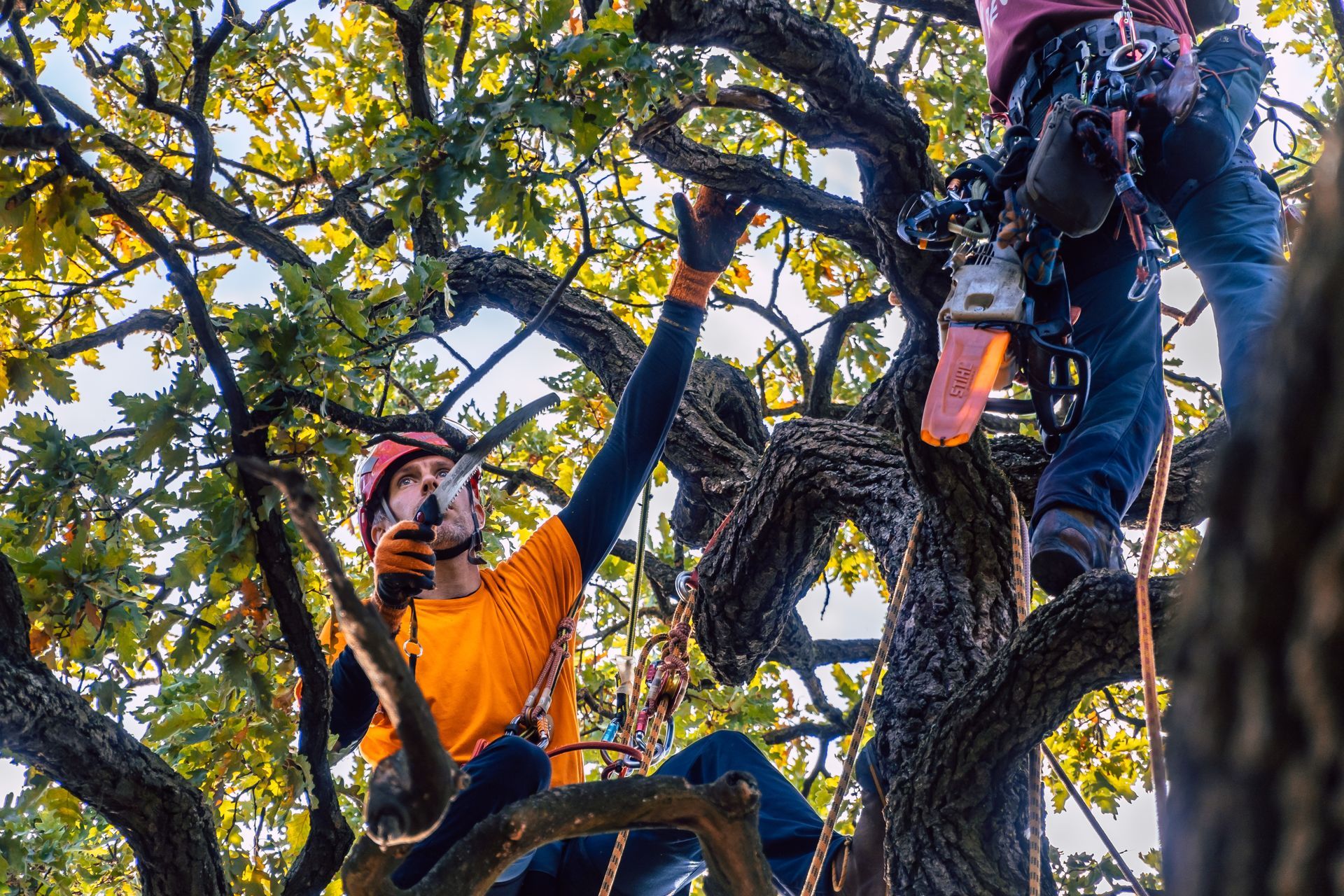
The work focuses on removing ladder fuels—low branches, shrubs, and small trees that allow ground fires to climb into canopies—and clearing dead or dying trees that ignite quickly and throw embers. Spacing between remaining trees depends on slope; steeper terrain requires wider gaps because fire moves uphill faster and preheats fuel ahead of the flame front.
Arrange a property assessment to identify high-risk zones and develop a clearing plan that aligns with local fire authority guidelines.
Why Deadwood and Brush Density Matter
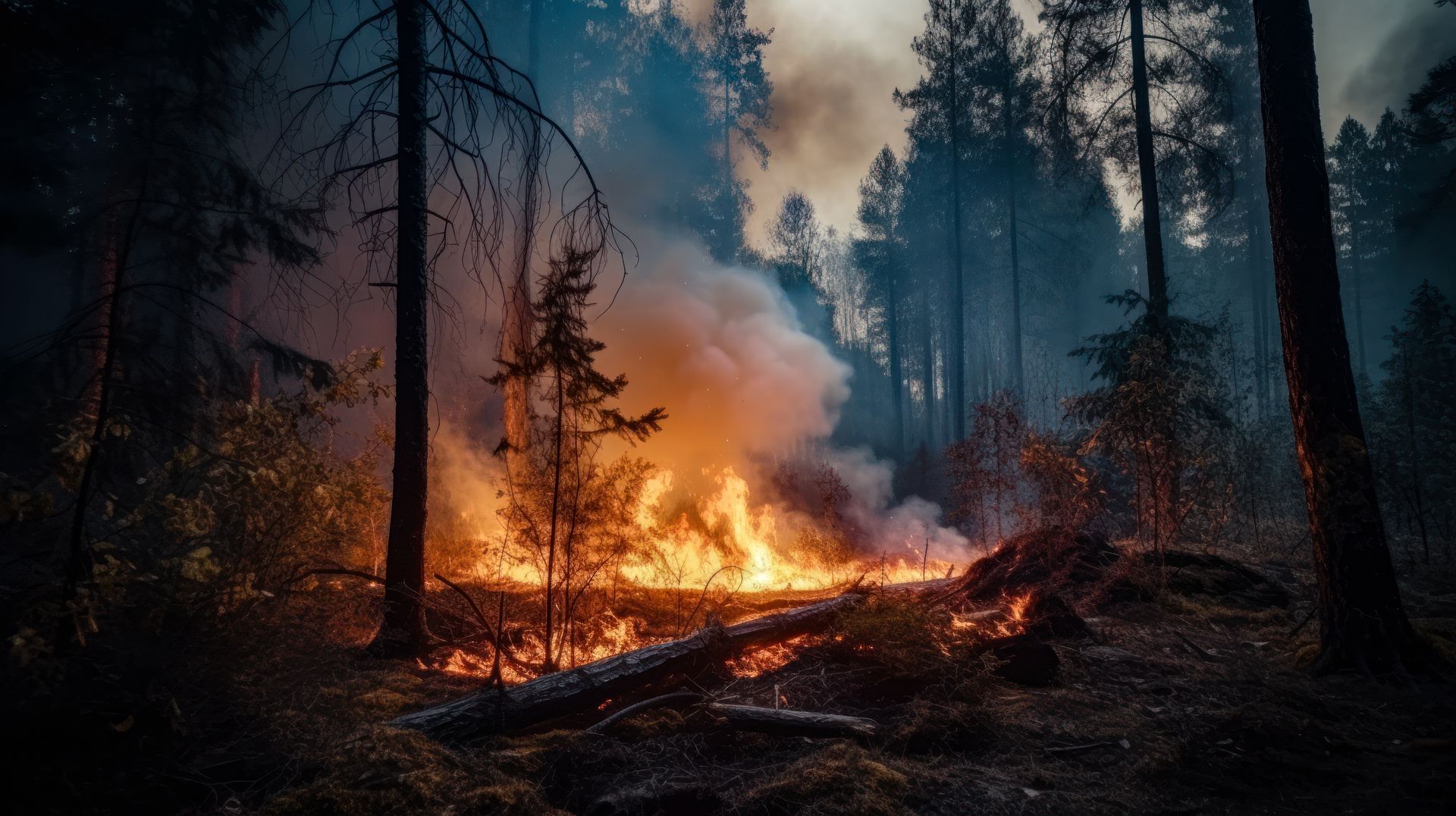
Deadwood ignites at lower temperatures than living wood and burns with greater intensity, producing more embers that travel ahead of the main fire. Removing standing dead trees and fallen logs reduces the fuel available during the critical first minutes when fire reaches your property. Dense brush creates a continuous fuel bed that sustains flames long enough to ignite structures, even if individual plants seem small.
After clearing, you'll notice open sight lines, cleaner ground planes, and tree canopies lifted high enough that a ground fire cannot reach them without an intermediate fuel source. The landscape remains natural but less cluttered, with native grasses and low-growing perennials that do not carry flame as aggressively as woody shrubs. Maintenance becomes simpler because new growth stays visible and accessible for annual trimming.
Fire mitigation does not make a property fireproof—it reduces ignition probability and buys time for firefighters to defend structures. The effectiveness depends on maintaining cleared zones over time, since vegetation regrows and deadwood accumulates each season..
Common Questions About This Service
Fire mitigation involves both immediate clearing and longer-term planning to maintain reduced fuel loads across your property.
How far from the house should clearing extend?
Most guidelines recommend at least thirty feet of intensive clearing immediately around structures, with an additional seventy to one hundred feet of thinning and pruning depending on slope and vegetation type.
What happens to the cleared material?
Branches and brush are chipped on-site or hauled away, and larger wood is cut into firewood or removed—leaving slash piles on the property reintroduces fuel and defeats the purpose of mitigation.
When is the best time to schedule fire mitigation in Delta and Montrose County?
Late fall through early spring allows clearing without increasing immediate fire risk, and it prepares properties before the dry season begins in late spring.
Do you remove all trees and shrubs?
No—the goal is selective removal to reduce fuel continuity while preserving healthy trees and maintaining privacy, shade, and erosion control where possible.
How often does mitigation need repeating?
Annual maintenance keeps new growth in check, though the intensity of follow-up work is much lower than the initial clearing once defensible space is established.
Rescue Tree Service Inc. tailors clearing plans to property size, terrain, and local fire guidelines, with seasonal scheduling to prepare homes before peak fire conditions arrive. Contact the team to assess wildfire exposure and develop a clearing strategy that improves safety without stripping the landscape bare.